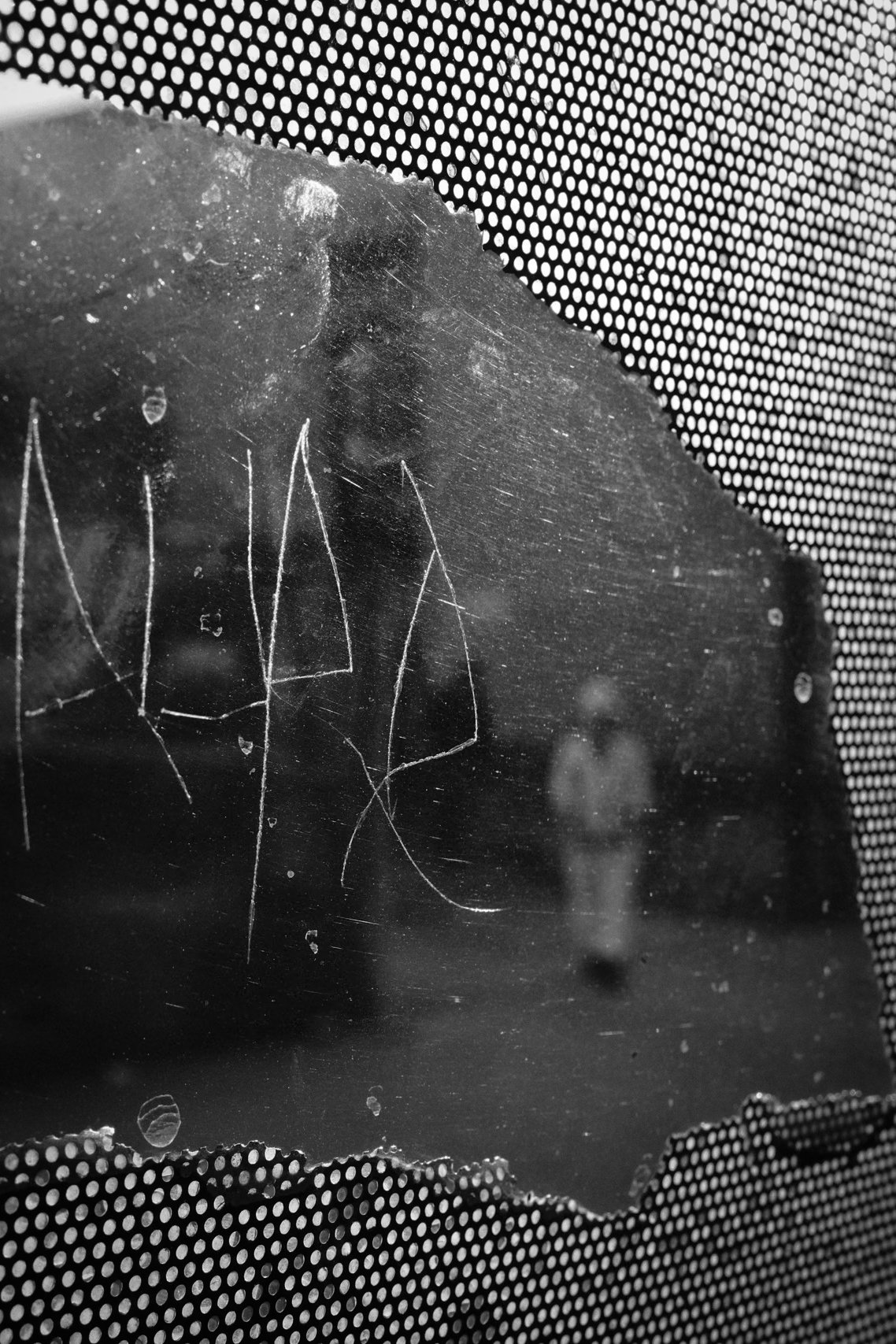
When Approval Becomes Visible
Photography has always involved an audience, even when that audience was distant or imagined. What has changed are the conditions of visibility.
Today, images circulate within systems designed to reward constant engagement. Likes, comments and reach no longer just reflect reception — they quietly shape how we behave. The pressure to post regularly, to reshare, to remain visible becomes difficult to ignore. The algorithm demands continuity, consistency, and volume—feeding a machine that is never fully satisfied.
Over time, this creates an environment where trends emerge quickly and replicate endlessly. Certain visual languages rise, spread, and dominate feeds, while other forms of photography—slower, quieter, less immediately legible—often go unnoticed. Not because they lack substance, but because they don’t align with what the system currently amplifies.
I’m not observing this from a distance. There was a period where I actively participated in this rhythm myself. Trying to keep up with the algorithm, posting with regularity, paying attention to reach, reactions, and timing. Seeking validation, even when I wasn’t fully aware of it.
This dynamic can subtly reshape intention. When visibility becomes measurable and approval is made explicit, it’s easy to begin equating value with response. A narrative settles in: the need to produce consistently, to post frequently, to deliver a “strong” image several times a week in order to remain relevant, to keep an audience engaged.
At some point, I began to confuse reception with quality. The number of likes, reshares, or comments started to feel like indicators of the work itself. What made this difficult was the gap that followed. Some of my favorite photographs—images that felt honest and personal—often received little attention, while others performed better. Over time, this imbalance became discouraging.
Within that rhythm, the search for validation can become continuous. Attention becomes currency, and photography risks drifting from personal exploration toward performance. Without fully realizing it, this began to influence my decisions: what I shared, how often, and which images felt “worth” posting. The desire for approval slowly started to outweigh the impulse to share work that felt true to me.
This raises a deeper uncertainty: whether platforms built around speed, trends, and constant feedback are still capable of truly rewarding photographic practices that value ambiguity, patience, and individual voice.
When I share an image, am I seeking expression—or approval?