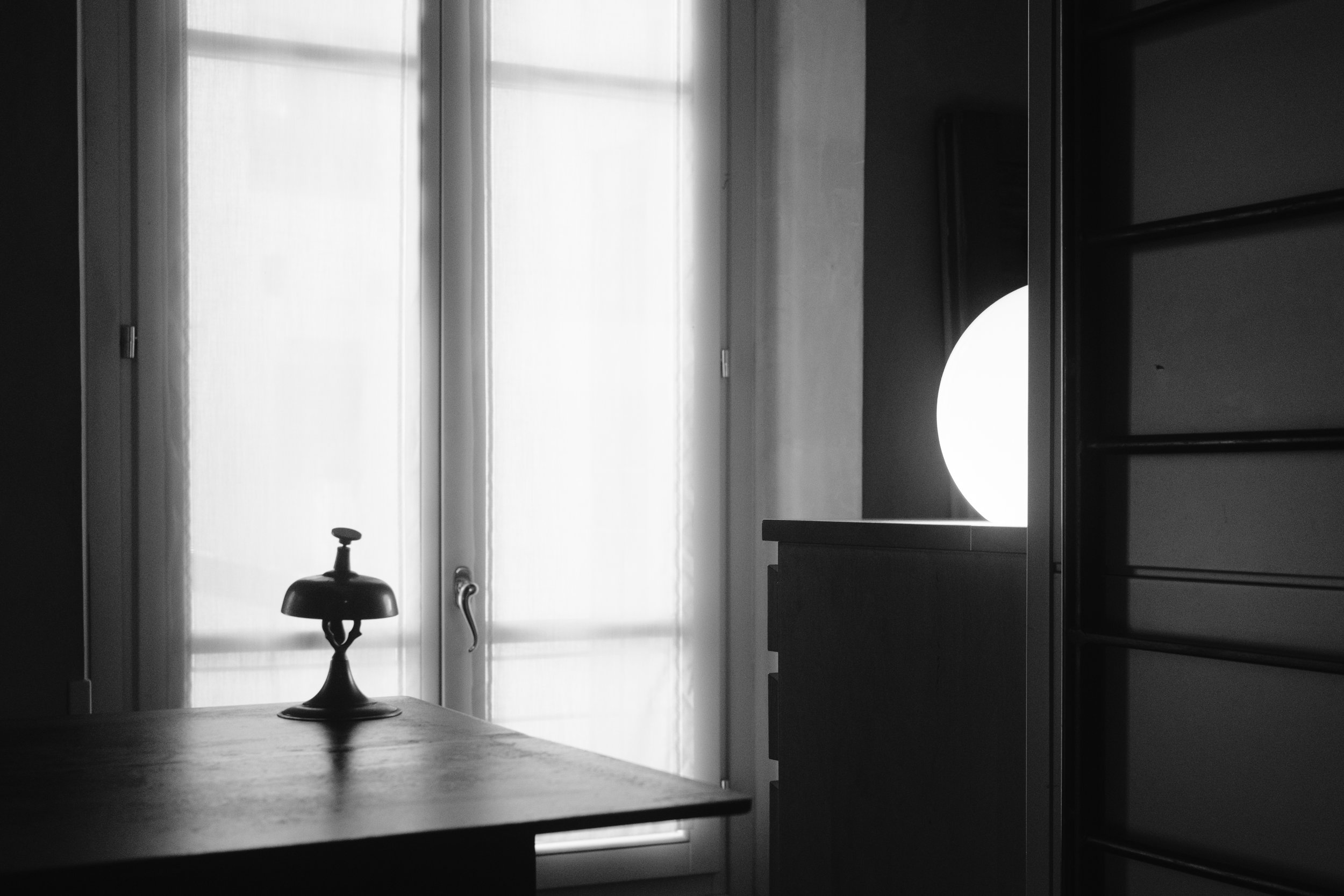
I Started Looking Once I Stopped Shooting
I didn’t choose to pause my practice entirely. External circumstances made it unavoidable. Less time, less availability, less space to move freely with a camera. At first, it felt like an interruption—something imposed rather than chosen. A break in momentum.
With time, that distance began to feel different. Slowing down didn’t stop the practice so much as redirect it. Without the pressure to produce new images, my attention naturally shifted backward—to what was already there.
There’s a quiet assumption in photography that progress comes from shooting more. More outings, more frames, more recent work. A culture anchored in the now, where momentum is often mistaken for growth. Images are made, shared, and quickly replaced, leaving little space to look back and ask what they reveal over time.
Being forced to pause disrupted that rhythm. Without the urgency of producing, I found myself revisiting older photographs with a different kind of attention. Lingering longer. Being drawn to images I barely noticed when they were first made. Letting go of others I once thought were strong.
Spending time with past work makes patterns harder to ignore. Repeated framings, recurring subjects, familiar distances. Tendencies that appear instinctive rather than deliberate. Looking back allows those patterns to surface—not as choices I remember making, but as traces of how I naturally respond to the world.
That distance also reveals change. Progress that isn’t always obvious in the moment becomes clearer over time. Certain instincts sharpen. Some hesitations fall away. At the same time, mistakes persist. Habits resurface despite experience. Shortcuts remain familiar, even when they no longer serve the work.
Seeing both at once—the evolution and the repetition—can be unsettling. It challenges the idea that growth is linear, or that improvement means leaving everything behind. Instead, it suggests something slower and less definitive: that progress often comes from recognizing what continues to shape the work, and deciding what deserves to remain.
This process has less to do with judgment than with clarity. Revisiting old photographs isn’t about measuring success or failure, but about learning to read the work more honestly. To understand what feels essential, what feels forced, and what no longer reflects the way I see—or want to see—the world.
In that sense, the pause became a form of practice in itself. A space where looking replaced shooting, and reflection took precedence over output. Not a conclusion, but a necessary phase—one that revealed as much through what was let go as through what remained.
What do I learn about my work when I stop trying to make more of it?